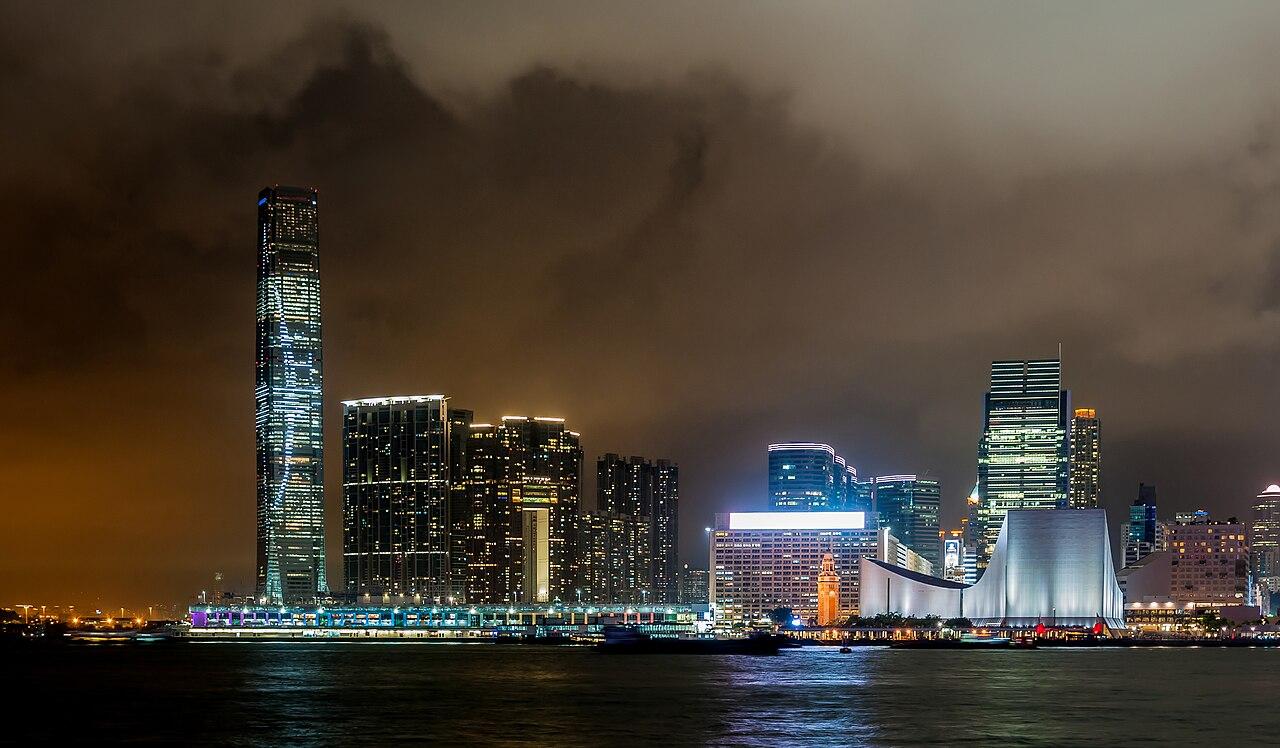
Hong Kong
Hong Kong Travel Guide
Know Hong Kong
Hong Kong is known for its harbour, dense urban districts, hiking routes and varied Cantonese food. The MTR makes many areas accessible, so compare a hotel's station access and room needs.
Where to stay in Hong Kong
- Central and Sheung Wan for business, dining and historic trams
- Tsim Sha Tsui for harbour views and museums
- Causeway Bay for shopping and Hong Kong Island transport
Places to visit
- Victoria Peak—check weather and tram queues
- Star Ferry and the harbourfront
- Wong Tai Sin Temple or a country-park trail
What to eat
- Dim sum at a long-running restaurant
- Wonton noodles
- Egg tarts and milk tea from a local bakery or café
Getting around
Use the MTR, buses, trams and ferries. Check service hours for outlying islands and bring a payment method accepted by local transit.
Plan your Hong Kong itinerary
Hong Kong combines harbour districts, markets, temples and green hiking areas. Group Central, Sheung Wan and the Peak on one day, then reserve another for Kowloon or an outlying island. Ferry and MTR journeys are part of the experience, but schedules vary by route. Check weather and visibility before choosing a viewpoint or hike. Leave room for food stops and rest; steep streets and humid conditions can make a compact itinerary more demanding than it appears.
Choosing a Hong Kong hotel area
Central/Sheung Wan, Tsim Sha Tsui and Causeway Bay each offer different access and price ranges. Compare MTR proximity, harbour crossings, room dimensions and the district you expect to visit most. Check whether the hotel is uphill from the station and how luggage will be handled. Confirm breakfast, taxes and cancellation rules. For a family or longer stay, review room occupancy limits carefully; compact rooms are common in central areas.
Harbour, temples and outdoor areas
The Star Ferry provides a practical harbour crossing as well as a classic city view. At temples, follow local customs and posted photography guidance. Hiking trails can be close to the urban centre, but check route difficulty, weather, water availability and return transport before setting out. For major attractions, use official ticket sources and confirm operating schedules. Respect residential areas and avoid blocking footpaths in busy markets and narrow streets.
Eating well in Hong Kong
Dim sum, wonton noodles, roast meats, egg tarts and milk tea are among the foods visitors may encounter. Restaurant styles range from quick counter service to long meals; check menus and payment options before sitting down. Communicate allergies clearly and confirm ingredients, since broths and sauces can contain hidden components. Follow queue and table-sharing etiquette where posted. Explore a neighbourhood market with an open mind, and choose food vendors with clear handling practices.
Getting around and preparing
The MTR, buses, trams and ferries make many journeys straightforward, though station interchanges can involve long walks. Check current transit payment and service updates. Carry water and sun protection, particularly for outdoor routes, and consider humidity when planning a hike. Keep a backup indoor activity for rain. Save your hotel address in a format a driver can understand, and verify ferry timetables for island trips before leaving.