Italy
Rome Travel Guide
Know Rome
Rome's ancient sites, churches and neighbourhoods reward a walkable itinerary, but sights are spread out. Choose accommodation with convenient Metro or bus links and book timed-entry attractions ahead where required.
Where to stay in Rome
- Centro Storico for historic squares and walking
- Monti for neighbourhood dining near ancient sites
- Prati for Vatican access and residential streets
Places to visit
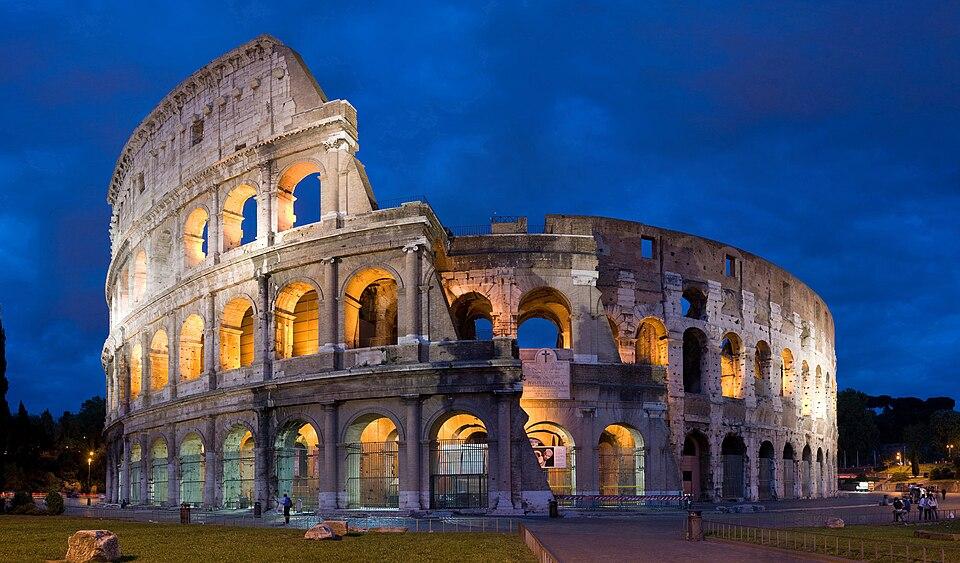
- Colosseum and Roman Forum
- Pantheon and Piazza Navona
- Vatican Museums and St Peter's Basilica—check separate entry arrangements
What to eat
- Cacio e pepe and other Roman pastas
- Supplì from a local takeaway
- Roman-style artichokes when in season
Getting around
Walk where practical and use Metro, buses or trams for longer trips. Wear comfortable shoes for cobbled streets and verify attraction opening times.
Plan your Rome itinerary
Rome rewards a slower itinerary because archaeological sites, churches and museums involve queues, security and considerable walking. Pair the Colosseum and Forum, then keep a different day for the Pantheon area or Vatican. Check official ticket sources and entry times before travel. Build in breaks for shade and meals, especially in warm weather. Some churches have dress expectations and service times, so plan respectfully and verify access rather than assuming every site is open to visitors.
Choosing a Rome hotel area
The historic centre, Monti and Prati offer distinct bases. Compare walking distance to the sights you prioritise, public transport, evening noise and room access. Older buildings may have stairs or compact lifts; confirm these details if they matter. Check city tax, breakfast, cancellation and check-in arrangements. A property that looks close on a map may require a steep walk over cobbles, so inspect the route and transit stop. Consider where you will arrive by train or airport transfer.
Ancient sites and everyday Rome
Rome's famous monuments are part of a lived-in city. Follow barriers, do not climb structures, and respect quiet in churches and memorial spaces. Timed tickets can reduce uncertainty but do not eliminate security queues. Explore a neighbourhood piazza or public garden between major visits. Carry water and check public fountain guidance. If you want deeper context, consider a licensed local guide for the Forum or Vatican area, where history and access rules can be complex.
Eating well in Rome
Roman pasta dishes, supplì and seasonal vegetables are easy to find, but restaurant quality and prices vary. Look for current menus and choose places that fit your route rather than relying on a single famous street. Ask about ingredients, especially for allergies, and confirm whether a dish contains meat, dairy or nuts. Meal hours may differ from your home routine. Bakeries and markets can provide simpler daytime options, while a relaxed dinner lets you enjoy a neighbourhood without rushing.
Getting around and preparing
Central Rome is walkable for some routes, but cobbled streets, hills and distance make comfortable footwear essential. Metro, buses and trams help with longer journeys; check current service and ticket validation rules. Carry a refillable bottle where permitted and plan indoor breaks in hot weather. Keep belongings secure in crowded transport and tourist areas. Confirm airport transfer pickup points, station exits and attraction opening days, and allow a buffer before timed reservations.