South Korea
Seoul Travel Guide
Know Seoul
Seoul pairs historic palaces and market streets with contemporary neighbourhoods. The city is large, so choose a base near a subway line and plan visits by district.
Where to stay in Seoul
- Jongno for palaces and historic neighbourhoods
- Myeongdong for shopping and central subway access
- Hongdae for cafés, music venues and a younger nightlife scene
Places to visit
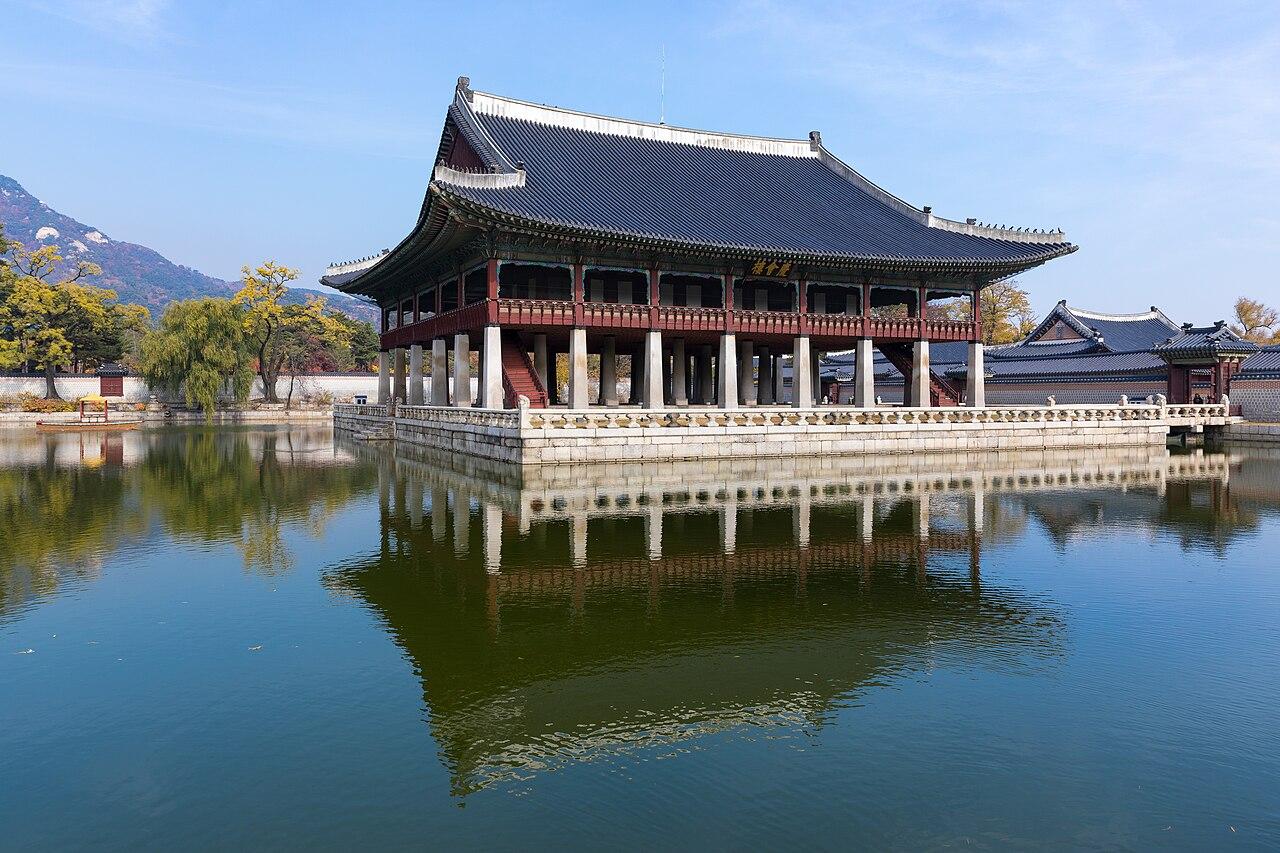
- Gyeongbokgung Palace—check closure days and entry details
- Bukchon Hanok Village and nearby heritage streets
- N Seoul Tower area for city views
What to eat
- Bibimbap and Korean stews
- Korean barbecue at a restaurant with clear ordering
- Street snacks from busy markets such as Gwangjang
Getting around
The subway and buses are extensive. Use a current map app, check last-train times and be considerate in residential heritage areas.
Plan your Seoul itinerary
Seoul's scale makes district-based planning valuable. Combine palace visits and nearby traditional streets, then use another day for markets, museums or a modern shopping district. Check palace closure days, ticket information and cultural events before travelling. Subway journeys may include long station walks, so include transfer time. Leave space for a café or market stop rather than moving constantly. In spring or autumn, check local event and crowd information for popular outdoor areas.
Choosing a Seoul hotel area
Jongno, Myeongdong and Hongdae are convenient for different interests, from historic sites to shopping and nightlife. Compare subway access, late-night transport, room size and noise levels. Check the exact station exit and whether there are hills or stairs on the hotel route. Review breakfast, taxes and cancellation conditions. If travelling with family, confirm room occupancy and bed configuration. A hotel near a useful line can make cross-city visits much simpler.
Palaces, markets and neighbourhoods
Gyeongbokgung and other palace areas have visitor rules, event schedules and occasional closures; use current official information. In hanok neighbourhoods, residents live among the historic houses, so keep noise low and follow access signs. Markets such as Gwangjang are active food and retail spaces. Ask before photographing people and avoid blocking narrow lanes. Consider a local guide to understand Korean history and contemporary culture beyond the most photographed landmarks.
Eating well in Seoul
Seoul offers Korean barbecue, stews, bibimbap, noodles and market snacks. Menus may be designed for sharing, so confirm portion sizes and minimum orders before seating. If you have allergies or dietary restrictions, communicate clearly; sauces and broths can contain multiple ingredients. Try one market meal and one neighbourhood restaurant rather than relying only on tourist streets. Check opening hours, cash/card acceptance and queue arrangements before making a special journey.
Getting around and preparing
The subway and buses cover the city, but some stations have many exits and lengthy transfers. Use a current route app and save destination names in Korean where possible. Check late-night service before an evening out and keep a backup taxi plan. Weather varies by season, so pack accordingly and monitor local forecasts. Follow pedestrian signals and keep luggage manageable on crowded trains. Verify travel documents and entry guidance before departure.