Japan
Tokyo Travel Guide
Know Tokyo
Tokyo is a collection of distinct districts connected by an extensive rail network. Choose a hotel near a station and group activities by area to reduce cross-city travel.
Where to stay in Tokyo
- Shinjuku for transport, dining and nightlife
- Tokyo Station and Ginza for central access and shopping
- Asakusa for temple visits and a more historic atmosphere
Places to visit
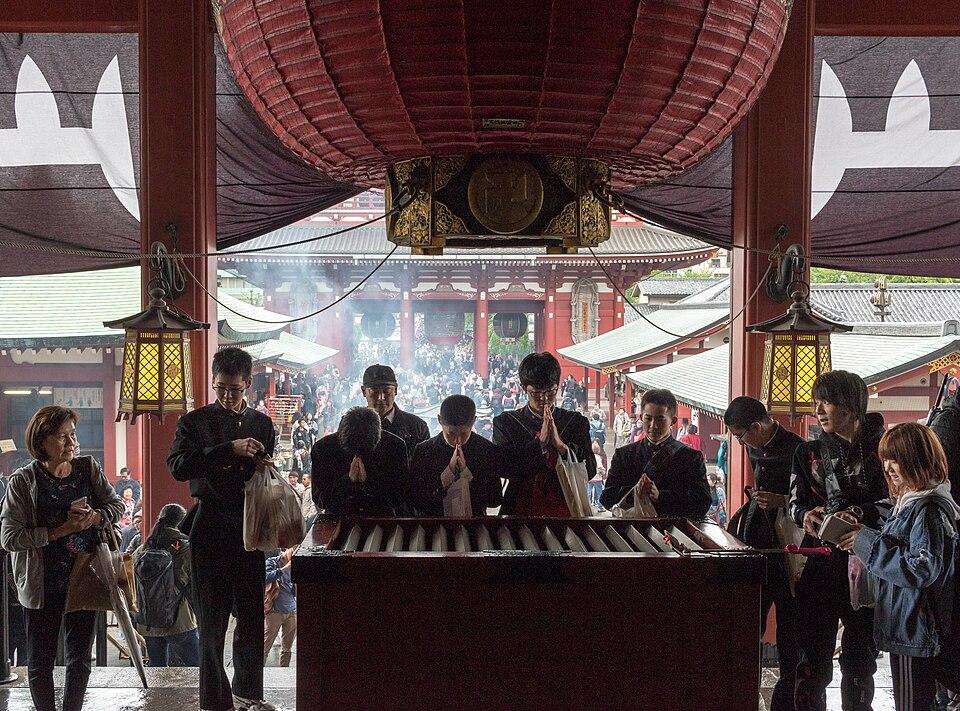
- Sensō-ji and Asakusa
- Meiji Shrine and nearby Harajuku
- Ueno Park and its museums
What to eat
- Sushi and seasonal seafood
- Ramen from a specialist shop
- Tempura or soba at a local restaurant
Getting around
Use train and subway route planners, and check the station exit closest to your destination. Avoid overloading a day with distant districts.
Plan your Tokyo itinerary
Tokyo is best planned by station area rather than by a single city-centre label. Group Shinjuku with nearby gardens, or Asakusa with Ueno and museums, and allow time for transfers through large stations. Choose a few experiences each day and reserve popular venues where required. Neighbourhoods change character by time of day, so a morning temple visit and an evening food district can work well. Check venue calendars and seasonal event information before fixing dates.
Choosing a Tokyo hotel area
A Tokyo hotel near the rail line you will use most can save time, but station layout matters: some interchanges involve long walks. Shinjuku, Tokyo Station/Ginza and Asakusa serve different interests and budgets. Check room dimensions, bed setup, luggage storage, breakfast and cancellation terms. If travelling with family or large bags, confirm lift access and the exact station exit. Compare airport access as well as sightseeing convenience, because transfers can be tiring after a long-haul flight.
Temples, gardens and neighbourhoods
Tokyo's major sights range from historic temple grounds to contemporary shopping streets and public gardens. Observe signs at shrines and temples, and avoid entering restricted areas. Museums often have timed tickets or weekly closure days, so verify official information. Add time for a local neighbourhood rather than moving constantly between famous landmarks. If visiting a viewpoint, check weather and visibility before booking. A guided walk can help explain how older streets and modern city planning fit together.
Eating well in Tokyo
Tokyo offers sushi, ramen, soba, tempura and countless regional specialties. Choose restaurants based on the day's location and check ordering systems, seating rules and payment options. Small venues may have limited menus or queues; be patient and follow local etiquette. Communicate allergies clearly, ideally with a translated card, because broths, sauces and shared preparation can create risks. Convenience stores can help with simple meals, but make time for a sit-down meal to explore local cooking.
Getting around and preparing
Rail and subway are usually the practical way to cross Tokyo, but different operators and station exits can complicate a route. Use an up-to-date map and check the last train before evening plans. Keep luggage manageable on crowded services and consider station lockers or delivery options where available. Carry a small amount of cash for places that do not accept cards. Save addresses in Japanese and leave margin for navigation, queues and crowded platforms.