Austria
Vienna Travel Guide
Know Vienna
Vienna is a city of imperial landmarks, museums, music venues and café culture. Choose a hotel close to a U-Bahn or tram stop and check event schedules for your travel dates.
Where to stay in Vienna
- Innere Stadt for central landmarks and museums
- Leopoldstadt for the Prater and easy transit
- Neubau for museums, independent shops and cafés
Places to visit
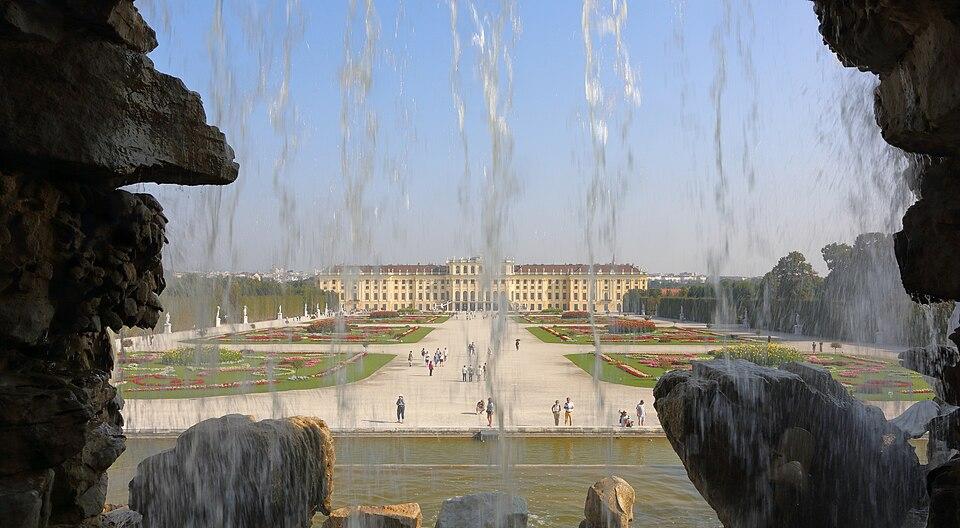
- Schönbrunn Palace—check official timed-entry details
- The Ringstrasse and its museums
- Belvedere Palace and gardens
What to eat
- Wiener schnitzel
- Apfelstrudel in a traditional café
- Austrian pastries and coffee-house fare
Getting around
The U-Bahn, trams and buses make city travel straightforward. Check ticket validity, museum opening days and seasonal palace access.
Plan your Vienna itinerary
Vienna's palaces, museums and concert venues can fill several days, so select priorities and check timed entry. Pair the Ringstrasse with nearby museums, and plan Schönbrunn as a separate visit. Allow time for a coffee-house break or a walk through a public garden. Event schedules vary, so confirm performance dates before arranging travel. If visiting during a busy cultural period, book accommodation and popular venues early and review cancellation conditions.
Choosing a Vienna hotel area
The Innere Stadt is central, while Leopoldstadt and Neubau offer different access to parks, museums and cafés. Compare U-Bahn and tram connections, evening plans and walking distance. Check room size, breakfast, taxes and cancellation terms. A hotel outside the historic core can be practical if it is near a frequent transit line. Confirm the route from the airport or railway station and whether your accommodation has luggage storage for early arrivals.
Palaces, museums and city culture
Schönbrunn, the Belvedere and the Ringstrasse each need their own time and entry planning. Use official venue information for tickets, room access and opening days. Vienna's churches and memorials are active spaces; follow dress and photography guidance. A city walk can help connect imperial architecture with present-day neighbourhood life. Check accessibility and walking distances, as large palace grounds can take longer to explore than expected.
Eating well in Vienna
Vienna is known for café culture, pastries and dishes such as Wiener schnitzel. Choose a café or restaurant that fits your route, and check current menus, service style and prices. Ask about allergens and ingredients, particularly in pastries and sauces. Popular coffee houses can be busy, so be patient and follow seating guidance. Markets provide another way to sample local foods; check stall schedules and keep a flexible dining plan.
Getting around and preparing
U-Bahn, trams and buses make the city easy to navigate, but verify current ticket options and validation rules. Walking is pleasant for connected central sights, while transit helps with palaces and outer districts. Check museum closure days and event traffic before scheduling. Pack for the season and comfortable walking, and save your hotel details offline. For late concerts, confirm the route back and last services in advance. If visiting multiple venues, compare transit access and walking time before purchasing timed tickets. Keep a little schedule flexibility for queues and weather.