Community Conservancies: How Locals Protect Wildlife
GetTripGo Travel Desk · 6 min read
Kenya's national parks get the fame, but they only cover a fraction of the country's wildlife habitat. The bigger, quieter story is land leased directly from Maasai and other pastoralist communities and turned into conservancies — areas now larger in total than the parks and reserves combined, run by the people who have lived alongside these animals for generations.
Quick Facts
- What it is: Land leased from Maasai landowners by camps and conservation trusts, set aside for wildlife instead of livestock or farming.
- Scale: Community and private conservancies now cover more wildlife habitat nationally than Kenya's parks and reserves.
- Who benefits: Landowning families receive monthly lease payments regardless of tourist numbers, plus jobs as guides, rangers, and lodge staff.
- Where to visit: Mara conservancies (Naboisho, Olare Motorogi, Mara North), plus Amboseli-area and Laikipia conservancies.
Why Conservancies Exist
Most of Kenya's wildlife lives outside its parks, moving across community-owned land as herds follow seasonal grass and water. A national park boundary doesn't mean much to a migrating wildebeest or a wide-ranging lion pride, so protecting animals only inside park fences leaves most of their actual range unprotected. Conservancies close that gap by paying Maasai landowners a steady lease income to keep that land open for wildlife instead of fencing it off for cattle or converting it to farmland.
The model took off around the Maasai Mara in the 2000s, when a handful of camps began leasing land directly from local group ranches and capping the number of vehicles and beds allowed inside. That combination — guaranteed income for landowners, plus a lower density of tourists than the main reserve — became successful enough to spread across the Mara ecosystem and into Amboseli, Laikipia, and northern Kenya.
How the Money Actually Works
Landowning families sign long-term lease agreements with a conservancy trust or directly with camps, and receive a fixed monthly payment per acre — income that arrives whether or not a single tourist visits that month. This is the detail that makes the model durable: a family's income isn't riding on tourism numbers the way a souvenir stall or a one-off safari job would be, so the incentive to keep land wild holds up even through slow seasons.
On top of lease payments, conservancies typically employ local residents as rangers, guides, trackers, and lodge staff, and many route a share of bed-night conservation fees back into community projects — schools, boreholes, healthcare clinics. The result is that wildlife becomes a competing land use with real economic weight, not just a source of conflict when elephants raid crops or lions take livestock.
What Makes the Experience Different
Because conservancies cap vehicle numbers per sighting and control bed density, the experience tends to feel less crowded than a national reserve during peak season — often just one or two vehicles at a sighting instead of a dozen. Conservancies also permit activities banned in most national parks, including night drives, walking safaris, and off-road driving, which is why several of the articles on this site about night safaris and walking with a guide point specifically to conservancy land rather than the parks themselves.
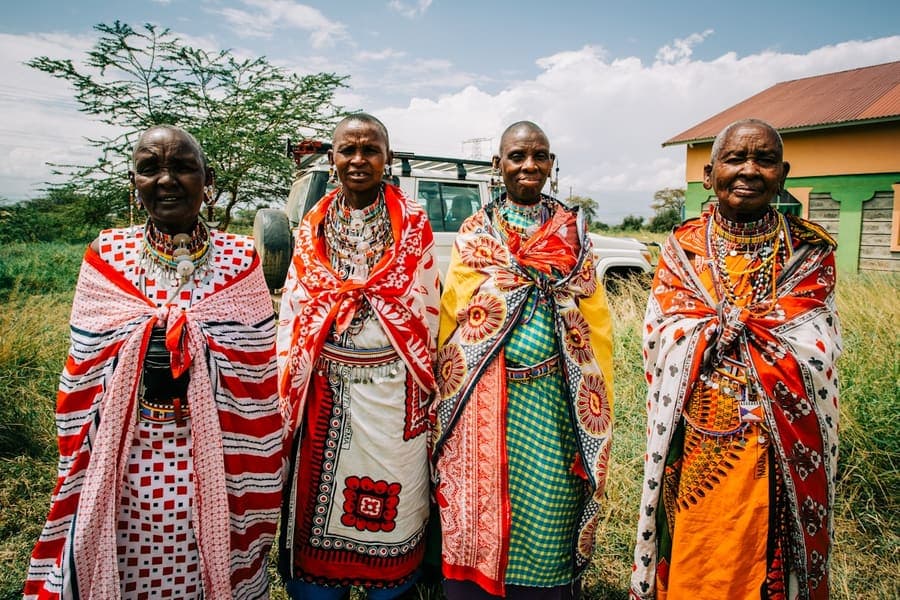
Guides in community conservancies are frequently Maasai themselves, drawing on generations of local ecological knowledge rather than only formal training — which often means a deeper, more specific account of animal behavior and local history than a standard reserve game drive offers.
Challenges the Model Still Faces
Conservancies aren't a solved problem. Lease rates vary widely and some landowners argue payments haven't kept pace with what the land would earn under farming or development. Sub-dividing communally held group ranches into individual parcels — a legal and economic pressure some communities face — can undercut the large, unfenced landscapes conservancies depend on. And the model relies on sustained tourism demand: a prolonged downturn threatens the lease payments that make the whole system work for landowners.
Frequently Asked Questions
What is a community conservancy in Kenya?
Land leased from Maasai or other local landowners by tourism operators or conservation trusts, set aside for wildlife instead of grazing or farming, with landowners paid a fixed lease income in return.
How do conservancies differ from national parks?
National parks are government-run and closed to the public after dark; conservancies are community- and privately-run, cap visitor numbers, and typically allow night drives, walking safaris, and off-road access that parks prohibit.
Do local communities actually benefit financially?
Yes — landowning families receive monthly lease payments regardless of tourist volume, and conservancies employ local residents as guides, rangers, and staff, with some fees funding schools and other community infrastructure.
Which conservancies are best to visit in Kenya?
The Mara conservancies — Naboisho, Olare Motorogi, and Mara North — are the best-known, alongside conservancies near Amboseli and in Laikipia further north.