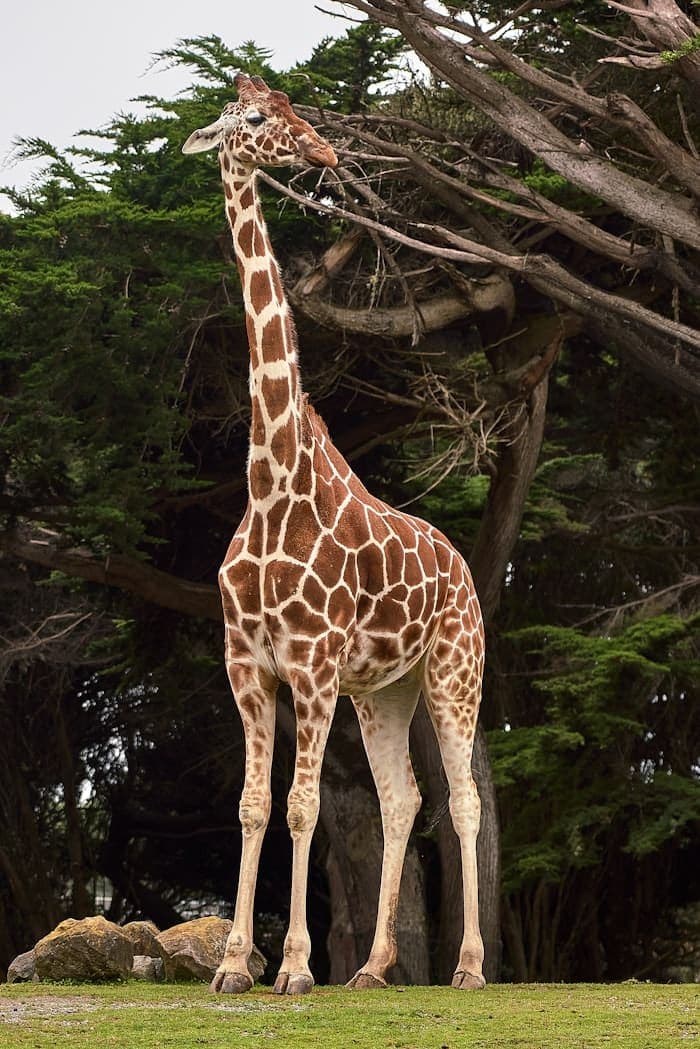
Safari Photography: Camera Gear and Settings
GetTripGo Travel Desk · 9 min read
You don't need professional gear to come home with genuinely good safari photos, but a few equipment choices and camera settings make a real difference — especially when a cheetah breaks into a sprint and you have about three seconds to react.
Quick Answer
- Lens: a 100-400mm zoom covers nearly every safari situation.
- Shutter speed: 1/1000s or faster for moving animals.
- Mode: shoot in aperture priority or manual for consistent results.
Choosing the Right Lens
Reach matters more than anything else on safari. A 70-200mm lens works for closer sightings, but a lot of the best moments — a leopard in a distant tree, a lion pride resting far from the track — happen well beyond that range. A 100-400mm or longer zoom is the sweet spot for most travelers, giving flexibility without the bulk of a professional wildlife lens.
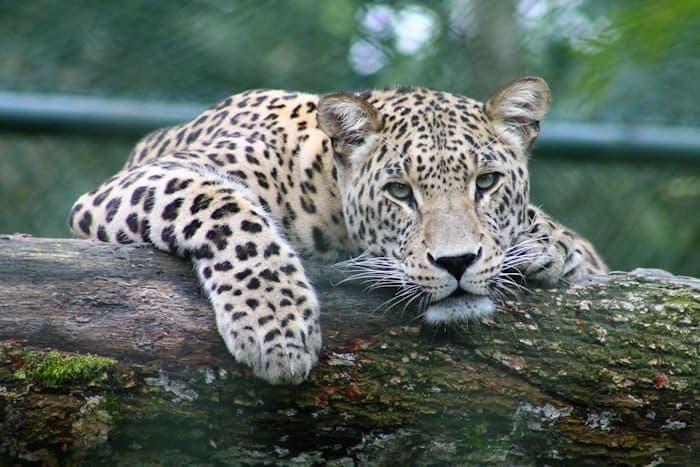
Camera Settings That Matter
For anything moving — a running cheetah, birds in flight, an elephant flapping its ears — set your shutter speed to at least 1/1000s to avoid motion blur. For stationary subjects like a resting lion, 1/250s is usually enough. Continuous (burst) shooting mode helps capture the exact right moment in fast action, and continuous autofocus tracking keeps a moving subject sharp as it crosses the frame.
Early morning and late afternoon light — the same golden hours guides favor for game drives — also happen to be the best light for photography, so the timing works in your favor naturally.
Gear Checklist
| Item | Why It Matters |
|---|---|
| Camera body | Any mirrorless or DSLR with fast autofocus works well |
| Zoom lens | 70-200mm minimum; 100-400mm or longer is ideal for distant subjects |
| Memory cards | Bring more than you think — 2-3x your usual storage |
| Batteries | At least 2 spares; cold mornings drain batteries faster |
| Bean bag or mount | Stabilizes shots against the vehicle window or roof hatch |
| Lens cloth | Dust is constant — clean your lens more often than you'd expect |
Practical Tips
- Keep your camera accessible, not packed away — good moments happen with no warning.
- A bean bag draped over the vehicle window frame stabilizes shots far better than handholding.
- Back up photos each evening to a laptop, external drive, or cloud storage if you have signal.
- Don't chase every sighting through the viewfinder — put the camera down occasionally and just watch.