
Vaccinations for Kenya: Yellow Fever and What Else You Need
GetTripGo Travel Desk · 5 min read
Most vaccine confusion around Kenya comes down to one thing: people research whether Kenya requires the yellow fever shot, and stop there. The fuller picture depends on your exact routing — and, if you're flying from India, on a rule that only shows up on the way home.
Quick Answer
- Direct India → Kenya flight: Yellow fever vaccine not required for entry.
- Connecting via Addis Ababa, Entebbe, or similar: Vaccine required, even for a short layover.
- Returning to India: A valid certificate is required on re-entry, since Kenya is yellow-fever-endemic.
- Malaria: No vaccine, but prophylaxis tablets are strongly advised for most safari routes.
Is Yellow Fever Vaccination Mandatory for Kenya?
Not for most Indian travelers, and this is where a lot of pre-trip anxiety turns out to be misplaced. Kenya's Ministry of Health only requires a yellow fever certificate from travelers arriving from a country where yellow fever is actively transmitted. India isn't on that list, so a direct flight into Nairobi doesn't trigger the requirement.
Where it gets confusing is layovers. If your route connects through Addis Ababa, Entebbe, Kigali, or another endemic-list country — even for a few hours — Kenyan immigration can ask for your Yellow Card on arrival. Airlines increasingly check this at boarding, not just at the border, so confirm your exact routing before assuming you're exempt.
The Rule Almost Everyone Misses: Coming Back to India
Kenya is itself classified as a yellow-fever-endemic country. That means the requirement flips on your way home — India's health authorities expect proof of yellow fever vaccination when you re-enter from Kenya, regardless of whether Kenya asked you for anything on the way in.
Travelers who skip the vaccine because "it's not required for Kenya" sometimes discover this at Mumbai or Delhi immigration, where the standard consequence is up to six days of quarantine at your own cost if you can't produce a valid certificate. It's enforced on departure from Kenya and arrival in India — not by Kenya itself — which is exactly why it's easy to miss if you've only researched "Kenya's" requirements.
Timing the Vaccine Correctly
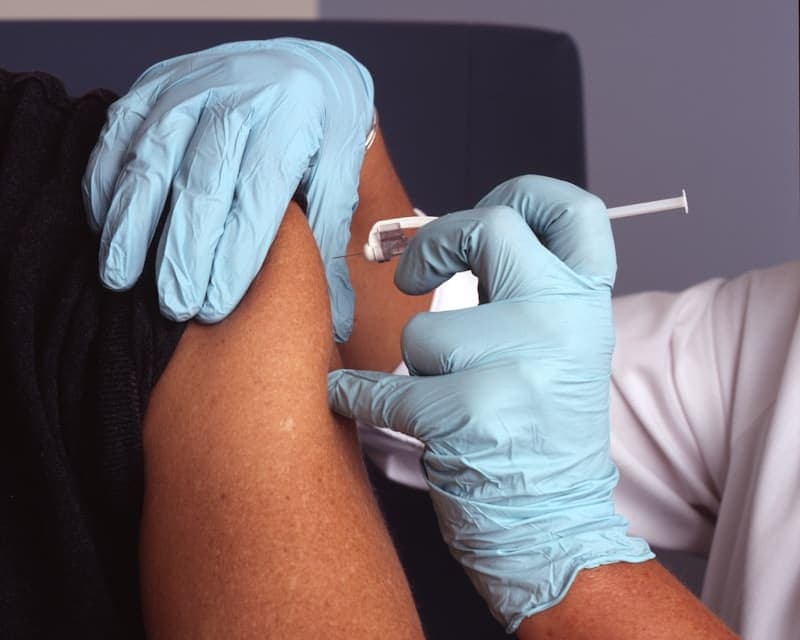
The vaccine needs to be administered at least 10 days before departure for the certificate to be considered valid — getting it the week of your flight won't count. A single dose is now considered valid for life under current WHO rules, so if you've been vaccinated for a previous trip to Africa or South America, you likely don't need another one. Check the date on your existing Yellow Card first.
In India, the vaccine is only administered at government-authorized centers, not at a regular clinic or pharmacy. Book the appointment as soon as your trip is confirmed, since some centers run limited weekly slots.
Who Should Skip It (Medical Exemptions)
The yellow fever vaccine is a live-virus vaccine, so it isn't given to everyone. You may qualify for a medical exemption if you are over 60, pregnant, severely allergic to eggs, immunocompromised, or an infant under 9 months old. If any of these apply, get a signed medical waiver letter from your doctor before you travel — border agents have the final say on accepting it, and it's not something to sort out for the first time at an airport counter.
Vaccines and Prevention at a Glance
| Vaccine | Requirement | Note |
|---|---|---|
| Yellow Fever | Only if arriving from/transiting an endemic country | Required for India → India return, since Kenya is endemic |
| Malaria prophylaxis | Not required, strongly recommended | ~70% of Kenya is a risk zone below 2,500m |
| Typhoid & Hepatitis A | Recommended | Food and water exposure |
| Routine boosters (Tetanus, MMR) | Recommended if not current | Standard travel advice |
| Rabies (pre-exposure) | Optional | Worth it for rural stays or kids on safari |
Malaria: Not a Vaccine, But the Bigger Real Risk
There's no vaccine requirement for malaria, but it's arguably the more relevant health risk for a Kenya trip — roughly 70% of the country falls in a malaria-risk zone below 2,500 meters elevation, which includes most safari parks and the coast. Anti-malarial tablets, started before arrival and continued for a few weeks after you leave, are the standard precaution, alongside repellent and covering up in the evenings. This is worth its own conversation with a doctor, since the right medication depends on your health history and length of stay. For a full breakdown, see our malaria prevention guide.
What People Get Wrong
The most common mistake isn't skipping the vaccine — it's assuming "Kenya doesn't require it" is the end of the story. That only answers the entry question. The transit question (are you routing through an endemic country) and the return question (what does India require coming back) are separate rules that catch people at completely different checkpoints. Sorting out all three before you book connecting flights saves a scramble later.
Frequently Asked Questions
Do I need the yellow fever vaccine for a direct Delhi–Nairobi flight?
No. Direct travel from India doesn't require a yellow fever certificate for entry into Kenya, since India isn't on the endemic-country list.
Will I need it if my flight connects through Addis Ababa or Entebbe?
Yes. Transiting through a yellow-fever-endemic country, even for a short layover, can trigger the requirement at Kenyan immigration.
Do I need proof of vaccination to re-enter India after visiting Kenya?
Yes. Because Kenya is itself yellow-fever-endemic, Indian immigration expects a valid certificate on your return, separate from whatever Kenya required on the way in.
How far in advance do I need the vaccine?
At least 10 days before departure for the certificate to be valid. A single dose lasts for life.