Cheetahs of the Mara: Africa's Fastest Predator
GetTripGo Travel Desk · 6 min read
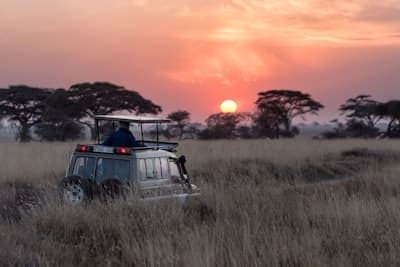
No animal in the Masai Mara draws a bigger gasp from a safari vehicle than a cheetah breaking into a full run. Unlike lions and leopards, which do most of their hunting after dark, cheetahs hunt in daylight — which means they're one of the few Big Cat sightings where you can actually watch the chase unfold in real time.
Quick Facts
- Top speed: Up to 100–120 km/h in short bursts.
- Best areas: Naboisho, Olare Motorogi and Mara North conservancies, plus the Mara Triangle.
- Best time: Early morning and late afternoon, year-round — no single "cheetah season."
- Conservation status: Vulnerable, with an estimated 7,000–8,000 individuals left in Africa.
Where to See Cheetahs in the Masai Mara
Cheetahs favor open, short grass plains where they can spot prey from a distance and use their speed rather than cover to hunt — which makes the wide-open conservancies bordering the main Masai Mara National Reserve some of the most reliable places to find them. Naboisho, Olare Motorogi, and Mara North conservancies all have resident cheetah populations and, because vehicle numbers are capped, sightings tend to be calmer and less crowded than in the main reserve.
Inside the reserve itself, the Mara Triangle and the plains around Rhino Ridge and Paradise Plain are well known for cheetah activity, particularly mothers with cubs, who prefer open ground where they can watch for approaching lions and hyenas — the two predators most likely to kill cheetah cubs.
Built for Speed, Not Strength: Hunting Style
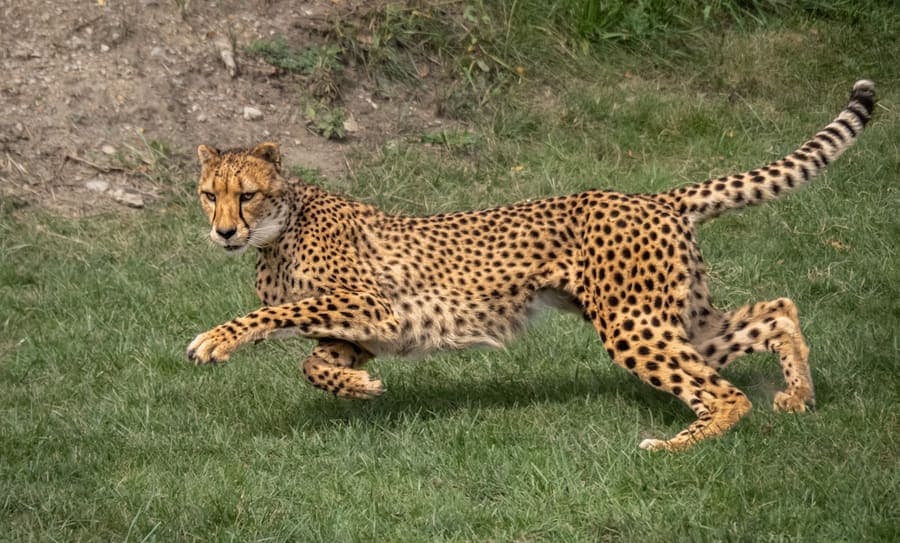
A cheetah's entire body is a speed machine: a lightweight frame, an oversized heart and lungs, non-retractable claws for grip, and a long tail used as a rudder for sudden direction changes mid-chase. What it lacks is raw strength — a cheetah can't fight off a lion, and even a single hyena can steal a kill outright. That trade-off shapes everything about how it hunts.
Rather than stalking at night like a leopard, a cheetah stalks slowly by day, gets as close as it can — often within 30 to 60 meters — then commits to an explosive sprint that usually lasts under 30 seconds. If the chase runs longer than that, the cheetah typically gives up rather than risk overheating or injury. Because the kill itself leaves it exhausted and vulnerable, a cheetah often has only minutes to eat before losing the kill to a larger predator.
Best Time of Day and Season to Spot Them
Unlike the Great Migration, cheetah sightings aren't tied to a specific season — resident cheetahs live in the Mara conservancies year-round. What matters more is time of day. Cheetahs are most active in the cooler hours shortly after sunrise and in the two or three hours before sunset, resting in shade through the heat of midday. A morning game drive that reaches open plains early gives you the best odds of catching a hunt in progress rather than a cheetah simply resting under a bush.
July through October, when the wider Mara ecosystem is busiest with migration traffic, also brings more prey — and more competition from lions and hyenas — into cheetah territory, which can push cheetahs toward quieter conservancy land rather than the main reserve.
Photography Tips for Cheetah Sightings
- Use a fast shutter speed (1/1000s or faster) to freeze motion during a chase.
- Keep a lower ISO where light allows — cheetah hunts usually happen in good daylight, unlike leopard or lion sightings.
- Watch for tail-twitching and a lowered, focused stare — both are reliable signs a hunt is about to start.
- Ask your guide to position the vehicle ahead of the cheetah's likely path rather than directly behind it, for a cleaner side profile as it accelerates.
Conservation Status: A Species Under Pressure
Cheetahs are classified as Vulnerable, with roughly 7,000 to 8,000 remaining across all of Africa — a fraction of historic numbers. Habitat fragmentation is the biggest threat: because cheetahs need large, open hunting ranges and don't compete well with lions and hyenas for territory, they're often pushed to the edges of protected areas, closer to farmland and livestock, where conflict with people becomes more likely.
The Mara conservancies play an outsized role in cheetah conservation precisely because they extend the amount of open, low-conflict habitat available beyond the boundaries of the national reserve, giving cheetahs — and especially cubs — a better chance of survival.
Frequently Asked Questions
Are cheetahs the same as leopards?
No — cheetahs have a slimmer build, simple round black spots, and distinctive black "tear lines" running from the eyes to the mouth. Leopards are stockier, more muscular, have rosette-shaped spots, and hunt mainly at night from trees or thick cover, rather than in open daylight chases.
What's the best time of year to see cheetahs in the Mara?
Any time of year works, since cheetahs are resident rather than migratory. Early morning game drives give the best chance of seeing an actual hunt, regardless of season.
How fast can a cheetah really run?
Cheetahs can reach speeds of 100–120 km/h, but only in short bursts of around 20–30 seconds — they rely on getting close before the chase begins rather than sustained speed over distance.
Are Masai Mara cheetahs endangered?
Cheetahs are classified as Vulnerable rather than Endangered, but numbers are declining across their range due to habitat loss, making protected conservancy land increasingly important to their survival.