
Drinking Water and Food Safety on Safari
GetTripGo Travel Desk · 4 min read
Most safari illness stories aren't about wildlife — they're about stomachs. The good news is that most reputable lodges have this well handled already; the risk mostly shows up in the gaps between them, like a roadside stop or a budget guesthouse without the same standards.
Quick Answer
- Tap water: avoid drinking it, even in Nairobi — bottled or lodge-filtered water is the standard.
- Most lodges: already provide bottled or purified water as a standard part of your stay, no extra effort needed.
- Ice: generally fine at reputable lodges, riskier at budget spots or street vendors.
- Food: cooked, hot meals at your lodge are low-risk; raw produce and street food carry more variability.
Why Tap Water Is Off the List
Nairobi and Mombasa do have municipal water treatment systems, but aging infrastructure and inconsistent supply mean even treated tap water can carry bacteria that local residents have built tolerance to and visitors haven't. Outside the cities, many safari camps rely on boreholes, rainwater harvesting, or trucked-in water rather than a treated municipal supply, which adds more variability rather than less. The practical rule that covers all of this: stick to bottled or lodge-filtered water, and use it for brushing your teeth too, not just drinking.
What's Actually Safe: A Quick Reference
| Source | Verdict | Note |
|---|---|---|
| Bottled/sealed water | Safest default | Check the seal is intact before drinking |
| Lodge-filtered/purified water | Generally safe | Most upscale camps run their own filtration systems |
| Tap water (Nairobi, Mombasa) | Avoid drinking | Municipal treatment exists but aging pipes add risk for visitors |
| Ice in reputable lodges | Usually fine | Typically made from boiled or filtered water |
| Ice at budget/street vendors | Avoid | Source and process often unclear |
| River, lake, or swamp water | Never drink | Wildlife-shared water sources carry high contamination risk |
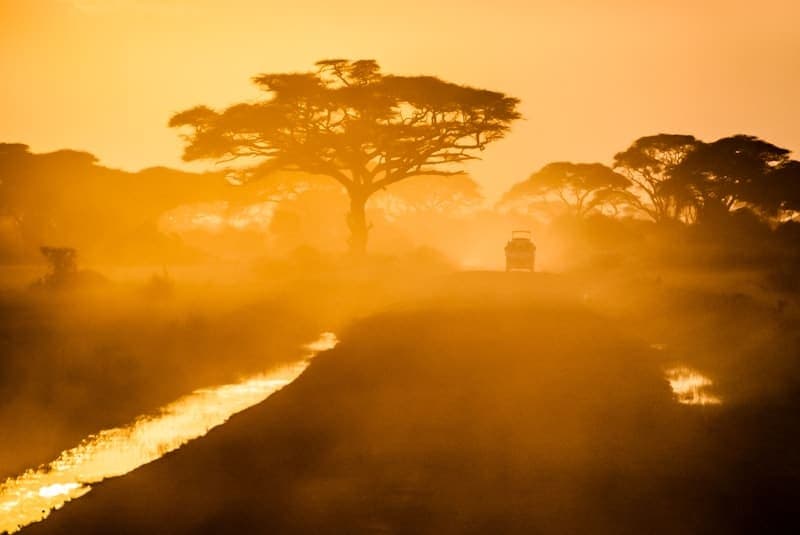
On Game Drives: Staying Hydrated Safely
Your guide typically carries sealed bottled water for the duration of a game drive — check that the seal is intact before drinking, a simple habit that covers you anywhere you travel, not just Kenya. Never drink from rivers, lakes, or swamps you might pass on a drive, even if the water looks clear; these are shared with wildlife, including hippos and crocodiles in many popular spots, and carry a genuinely high contamination risk. Refilling a reusable bottle from lodge-filtered water rather than buying fresh plastic bottles each day is a good middle ground if you're trying to cut down on waste.
Food: What to Watch and What Not to Worry About
Reputable lodges cater specifically to international travelers and generally hold to high food safety standards — hot, freshly cooked meals at your camp are low-risk, and most upscale properties employ chefs trained specifically in food safety. The larger variability sits outside that controlled environment: raw or undercooked meat, unwashed or unpeeled produce, and street food from vendors with less consistent hygiene practices. None of this means avoiding local food entirely — it means favoring busy, visibly clean spots with high turnover if you do venture off the lodge menu, the same rule that applies to street food almost anywhere in the world.
If You Do Get an Upset Stomach
Traveler's diarrhea is the most common issue, and it's usually mild and self-limiting. Tell your guide or lodge manager promptly rather than trying to push through a full day's activity — camps deal with this regularly and know how to help. Stay hydrated with water or an oral rehydration solution, eat light and bland if you're eating at all, and avoid alcohol and coffee until you're feeling better. If symptoms include a high fever, persist for more than a couple of days, or come with blood, get medical attention rather than waiting it out — most camps can direct you to the nearest clinic quickly.
What People Get Wrong
The most common slip isn't drinking a full glass of tap water — it's the small, easy-to-miss moments: brushing teeth with tap water out of habit, accepting ice at a roadside stop, or assuming a "flask of water" at the lodge is the same as a sealed bottle. The rule is simple and covers almost every situation — if it isn't sealed, bottled, or explicitly confirmed as filtered by your lodge, treat it with the same caution as tap water.
Frequently Asked Questions
Can I drink tap water in Nairobi?
It's best avoided. Municipal treatment exists, but aging infrastructure and inconsistent supply mean it's not reliably safe for visitors — stick to bottled or filtered water.
Is ice safe to have in drinks on safari?
Generally yes at reputable lodges, since it's typically made from boiled or filtered water. At budget venues or street vendors, it's safer to skip it.
Do lodges provide safe drinking water automatically?
Most reputable lodges and camps supply bottled or filtered water as standard, so it usually isn't something you need to arrange yourself.
Is street food safe to try in Kenya?
It carries more variability than lodge meals. Stick to busy, visibly clean vendors with high turnover if you want to try it.