Kenya's Big Cats: Lions, Leopards and Cheetahs Compared
GetTripGo Travel Desk · 7 min read
Lion, leopard, and cheetah share the same plains, the same prey, and — from a distance — can look confusingly similar to a first-time visitor. Up close, though, they're built for completely different lives, and knowing what sets them apart makes every sighting easier to read and far more rewarding.
Quick Facts
- Fastest identifier: Spot pattern — solid round spots (cheetah) vs. rosettes (leopard) vs. no spots, just a mane on males (lion).
- Most social: Lions, the only big cat that lives in family groups called prides.
- Strongest: Leopards, pound for pound — able to drag a kill heavier than themselves up a tree.
- Fastest: Cheetahs, by a wide margin, though only in short bursts.
Lions: Africa's Only Social Cat
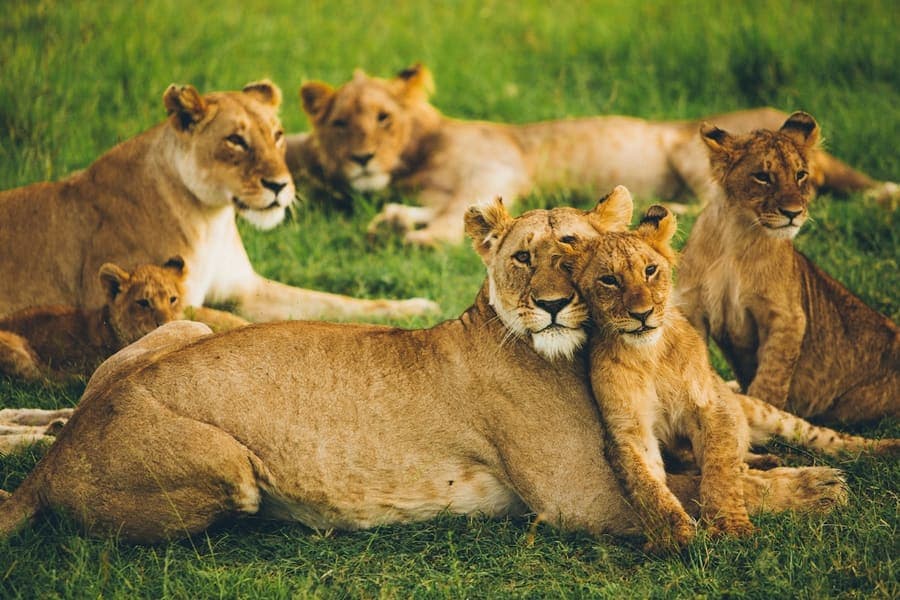
Lions are the only big cat that lives in true family groups, called prides — typically a handful of related females, their cubs, and one or more resident males. That social structure changes everything about how lions hunt: rather than relying purely on stealth or speed, prides coordinate, with lionesses doing most of the hunting cooperatively while males primarily defend territory and cubs from rival males and other predators.
Males are unmistakable thanks to their mane, which darkens and thickens with age and testosterone — a rough, informal way to judge a male's maturity in the field. Lions hunt mainly at dawn, dusk, and through the night, and spend a striking amount of daylight simply resting, often 16 to 20 hours a day.
Leopards: The Solitary Ambush Hunter
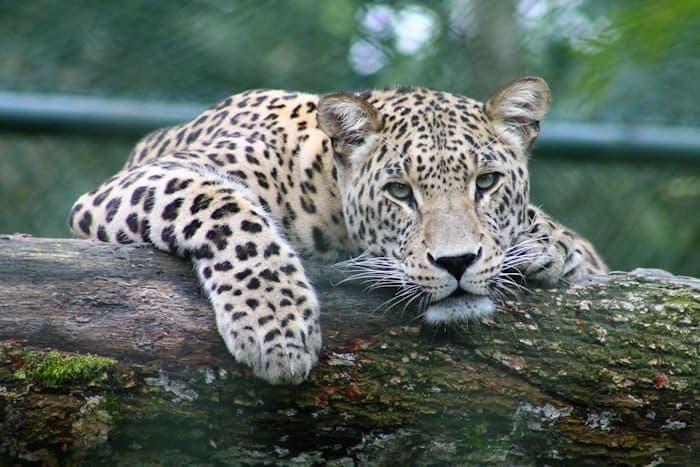
Leopards are built almost opposite to lions in every way — solitary, stealthy, and intensely private. Their rosette-patterned coat (open circles with a darker center, unlike the cheetah's solid dots) provides near-perfect camouflage in dappled light, which suits their ambush hunting style: stalk as close as possible, then explode into a short, powerful charge rather than a long chase.
Leopards are also, pound for pound, the strongest of the three — strong enough to haul a kill significantly heavier than themselves up into a tree, safely out of reach of lions and hyenas. That single behavior is often the clearest giveaway of a leopard in the area, even when the cat itself is out of sight. They're the most adaptable of the three as well, equally at home in woodland, rocky kopjes, riverine forest, and even the edges of urban areas.
Cheetahs: Built for the Chase
Cheetahs trade strength for pure speed — a lighter frame, longer legs, and a flexible spine that let them reach up to 100–120 km/h in short bursts, hunting almost entirely by daylight rather than competing with lions and leopards after dark. Unlike leopards, they're not strong climbers and can't defend a kill from a determined lion or hyena, which is why they eat quickly and abandon a carcass rather than risk a fight.
Females are largely solitary, raising cubs alone, while males often form small "coalitions" of two or three — usually brothers — that hunt and defend territory together. For a deeper look at cheetah behavior and where to find them, see our dedicated cheetah guide.
How to Tell Them Apart at a Glance
| Lion | Leopard | Cheetah | |
|---|---|---|---|
| Coat pattern | Plain tawny, no spots (adults) | Rosettes (open circles) | Solid round spots + black tear lines |
| Social structure | Prides (social) | Solitary | Mostly solitary; males in small coalitions |
| Active mainly | Dawn, dusk, night | Mostly night | Daylight |
| Signature trait | Male's mane | Kills stashed in trees | Explosive short-range speed |
Where You're Most Likely to See Each One
Lions are the easiest of the three to find, since prides are large, active by dawn and dusk, and roam open ground where vehicles can spot them easily — the Masai Mara, Amboseli, and Tsavo all hold healthy resident populations. Leopards are the hardest, precisely because they're solitary and often resting in thick cover or up a tree by day; riverine forest edges and rocky areas are the best places to scan carefully. Cheetahs sit in between — resident in open-plains conservancies like Naboisho and Mara North, and easier to spot than leopards simply because they're active in daylight.
Who Wins in a Conflict? The Pecking Order
Among the three, lions dominate outright — prides will kill leopards and cheetahs given the chance, and routinely steal kills from both. Leopards generally avoid direct confrontation with lions but can usually hold their own against a cheetah, which is one reason cheetahs favor open plains where leopards rarely hunt. Cheetahs sit at the bottom of the hierarchy: too light to fight off either rival, they survive by avoiding confrontation entirely rather than winning it.
Frequently Asked Questions
What's the easiest way to tell a leopard from a cheetah?
Look at the spots and the build. Cheetahs have solid round spots, black "tear line" markings from the eyes to the mouth, and a slim, greyhound-like frame. Leopards have open rosette-shaped spots and a stockier, more muscular build.
Which is more dangerous to encounter: a lion, leopard, or cheetah?
Lions, by a wide margin, given their size, strength, and social hunting behavior. Leopards can be dangerous if surprised or cornered. Cheetahs are generally the least aggressive toward humans of the three.
Why do leopards drag their kills into trees?
To protect the kill from lions and hyenas, which can't climb well enough to follow. It's one of the clearest field signs of a leopard's presence, even without seeing the cat itself.
Which of the three is easiest to spot on safari?
Lions, generally — they're social, active at dawn and dusk when game drives run, and rest in the open rather than hiding in cover the way leopards do.