Lake Nakuru National Park: Birds and Rhinos
GetTripGo Travel Desk · 5 min read
Lake Nakuru is small by Kenyan standards, but it packs an outsized amount into a compact setting — one of the country's most reliable rhino sanctuaries, over 400 recorded bird species, and a dramatic Rift Valley backdrop. It's also a park where the honest picture has shifted in recent years, and it's worth knowing that before you go.
Quick Facts
- Location: Great Rift Valley, roughly 140-160 km from Nairobi, about a 3-hour drive.
- Rhinos: One of Kenya's most reliable sanctuaries for both black and white rhino.
- Birdlife: Over 400 recorded species, though flamingo numbers have dropped sharply since 2012.
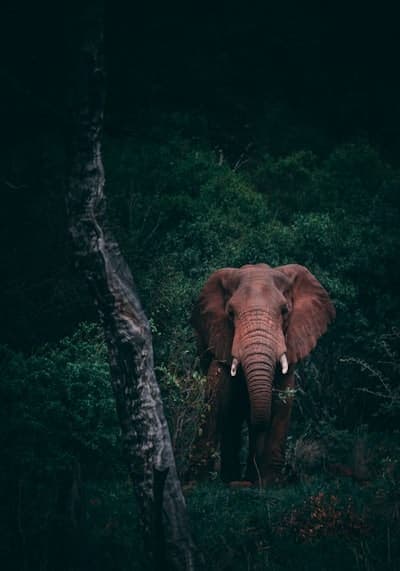
- Big Five status: Four of five present — the park does not support elephants.
The Honest Flamingo Situation
Lake Nakuru built its global reputation on flocks of pink flamingos so dense they turned the shoreline into a moving pink carpet. That reputation is now largely historical. Since 2012, rising water levels have made conditions less favorable for the algae flamingos feed on, and most large flocks have shifted to other Rift Valley soda lakes, particularly Lake Bogoria. Flamingos still appear at Nakuru in variable numbers, but visitors expecting the famous "millions of flamingos" spectacle from older photos should adjust expectations — and consider Bogoria if flamingos are the singular priority.
Why It's Still One of Kenya's Best Rhino Destinations
What hasn't changed is Nakuru's strength as a rhino sanctuary — arguably its single biggest draw today. The park protects healthy populations of both black and white rhino, with sightings considered among the most reliable in the country. White rhinos tend to graze in open grassland, while the more reclusive black rhinos stick closer to thicker bush, giving visitors a good chance of spotting both behaviors in a single day.
A Rare Giraffe Subspecies, and the Rest of the Wildlife
Nakuru is also a sanctuary for the Rothschild's giraffe, one of the rarest giraffe subspecies in Africa, introduced here as part of a conservation program and now established in stable family groups along the forest edges. Lions, leopards, buffalo, and waterbuck round out the wildlife — the one notable absence is elephants, which the park doesn't support, making it a Big Four rather than Big Five destination.
Best Viewpoints in the Park
- Baboon Cliff: A panoramic overlook of the entire lake, best at sunrise or sunset.
- Lion Hill: An elevated viewpoint where resting lions are frequently spotted nearby.
- Makalia Falls: A waterfall at the park's southern end, a good stop for a picnic break.
How Long to Stay, and What to Combine It With
Nakuru's compact size makes it genuinely well suited to a one- or two-day visit — one day covers the rhino sanctuary and main viewpoints, while two allows for deeper exploration and better photography light. Its position in the Rift Valley makes it easy to combine with Lake Naivasha and Hell's Gate for a short Rift Valley circuit, or with the Masai Mara for a longer 5-6 day safari that pairs rhino sightings with the Mara's big cats.
Frequently Asked Questions
Are there still flamingos at Lake Nakuru?
Yes, but in far smaller numbers than the park's historical reputation suggests. Since 2012, rising water levels have pushed most large flocks to other Rift Valley lakes like Bogoria, so visitors focused specifically on flamingos may want to check current conditions or consider Bogoria instead.
Does Lake Nakuru have elephants?
No — the park is one of the few major Kenyan reserves that doesn't support elephants, making it a Big Four rather than Big Five destination.
Is Lake Nakuru a good place to see rhinos?
Yes — it's one of Kenya's most reliable rhino sanctuaries, with healthy populations of both black and white rhino and consistently good sighting odds.
How long should I spend at Lake Nakuru?
One day is enough to cover the rhino sanctuary and main viewpoints; two days allows for deeper exploration and better photography conditions.