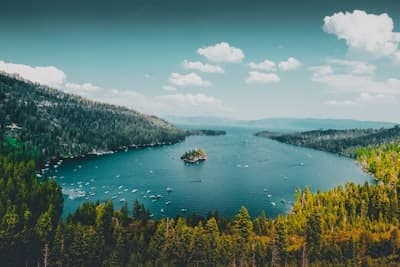
Lake Nakuru's Flamingo Spectacle
GetTripGo Travel Desk · 5 min read
For decades, Lake Nakuru was famous for one of nature's most improbable sights: a shallow Rift Valley lake so densely packed with flamingos that its shoreline appeared to turn solid pink. The spectacle has changed shape in recent years, but Lake Nakuru remains one of the most accessible and rewarding places in Kenya to see these birds up close.
Quick Facts
- Species: Lesser and greater flamingos, both present at Lake Nakuru.
- Best months: Historically August–October, though numbers now vary year to year.
- Why numbers fluctuate: Rising lake levels since the early 2010s have diluted the algae flamingos feed on.
- Nearby alternatives: Lake Bogoria and Lake Elementaita, both within day-trip distance, often hold larger flocks today.
Two Species, One Pink Lake
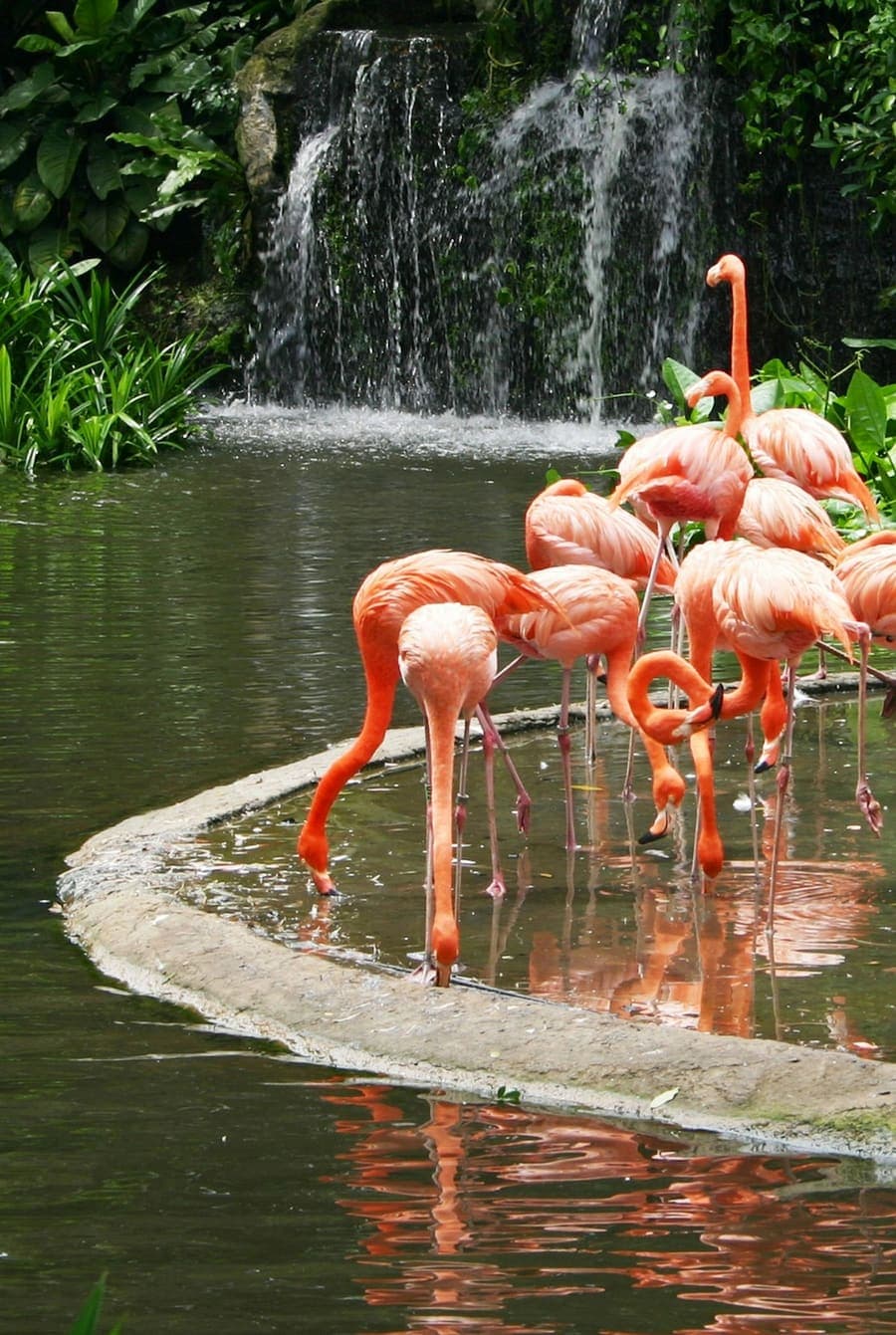
Lake Nakuru hosts two different flamingo species, and they behave quite differently. The lesser flamingo is smaller, a deeper shade of pink, and the species most responsible for the lake's famous color — it feeds by filtering blue-green algae straight from the water with a specially adapted, downward-curving bill. The greater flamingo is larger, paler, and feeds instead on small crustaceans and insect larvae in the lakebed mud, giving it a slightly different feeding posture and behavior on the shoreline.
Because the two species rely on different food sources, they don't always rise and fall in number together — a lake can lose most of its lesser flamingos to algae decline while still holding a healthy population of greater flamingos, which is part of why "the flamingos are gone" isn't quite as simple a story as it's sometimes told.
Why the Lake Turns Pink
Lake Nakuru is a shallow, alkaline soda lake — a type of Rift Valley lake with no outlet, where evaporation concentrates dissolved minerals over time. That alkaline chemistry is exactly what blue-green algae thrives on, and blue-green algae is exactly what lesser flamingos eat in enormous quantities. The pink color itself doesn't come from the water or the algae directly, but from pigments in the algae that flamingos absorb through their diet and that show up in their feathers over time.
Why Flamingo Numbers Have Dropped and Shifted
The million-plus-bird spectacle that made Lake Nakuru internationally famous has become far less reliable since the early 2010s, when rising water levels — driven by heavier regional rainfall — diluted the lake's alkalinity. Less concentrated soda water means less algae, and less algae means fewer lesser flamingos have reason to stay. Many shifted to nearby Lake Bogoria and Lake Elementaita instead, both of which have since become more consistent flamingo destinations in their own right.
Flamingos returned to Lake Nakuru in meaningful numbers in 2017 and again in 2020, but in the thousands rather than the millions of earlier decades. The lake is best understood today as one node in a wider network of Rift Valley soda lakes that flamingos move between based on conditions, rather than a single guaranteed spectacle.
When to Visit for the Best Chance
August through October has traditionally offered the best odds, as drier conditions concentrate the lake's alkalinity and algae growth. That said, because flamingo movement now depends heavily on year-to-year rainfall and water levels across the whole Rift Valley system, it's worth checking recent sightings with a local guide or tour operator before building a trip entirely around flamingos at any single lake.
If flamingo numbers at Lake Nakuru are low during your visit, Lake Bogoria — about two hours further north — is the most reliable backup, often holding tens of thousands of lesser flamingos even in years when Nakuru's numbers are down.
Beyond the Flamingos: Rhinos and Other Wildlife
Lake Nakuru National Park is worth visiting even in years when flamingo numbers are modest. The park is a designated rhino sanctuary, home to both black and white rhino, and is one of the more reliable places in Kenya to see them at close range. Its surrounding acacia woodland and grassland also support lion, leopard, buffalo, and Rothschild's giraffe, and the park's official bird list runs past 400 species — making it a genuine destination for birdwatchers even when the flamingos themselves are elsewhere.
Frequently Asked Questions
Are the flamingos still at Lake Nakuru?
Yes, but in much smaller numbers than the famous million-bird flocks of past decades. Rising water levels since the early 2010s reduced the lake's algae, pushing many flamingos to nearby Lake Bogoria and Lake Elementaita instead.
What's the best time of year to see flamingos at Lake Nakuru?
August through October has traditionally been the most reliable window, though numbers vary from year to year depending on rainfall and lake conditions.
What's the difference between lesser and greater flamingos?
Lesser flamingos are smaller, deeper pink, and feed on algae; greater flamingos are larger, paler, and feed on crustaceans and larvae in the mud. Both species can be found at Lake Nakuru.
Is Lake Nakuru worth visiting if the flamingos aren't there?
Yes — it's a rhino sanctuary with strong odds of seeing both black and white rhino, plus lion, leopard, and over 400 recorded bird species beyond the flamingos themselves.