Amboseli National Park: Complete Guide
GetTripGo Travel Desk · 8 min read
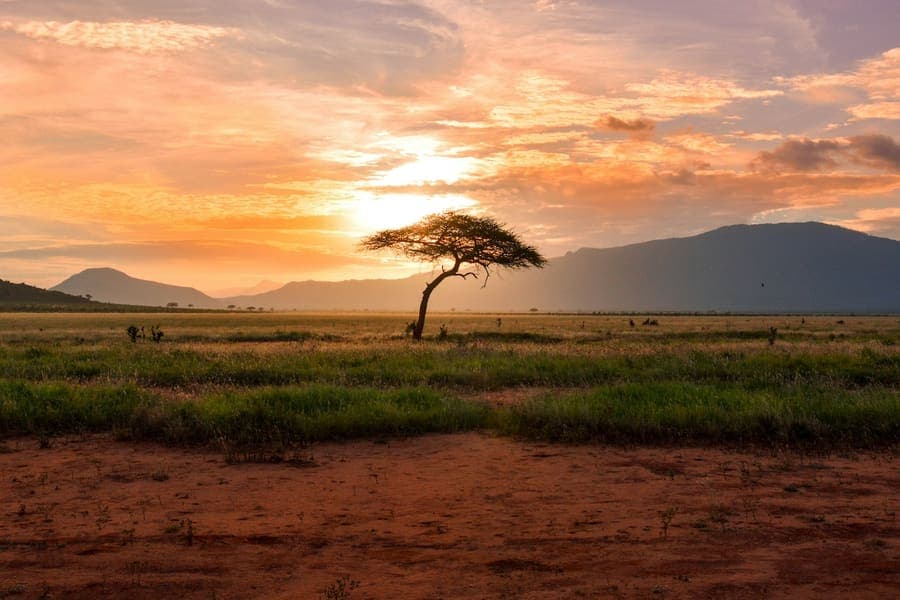
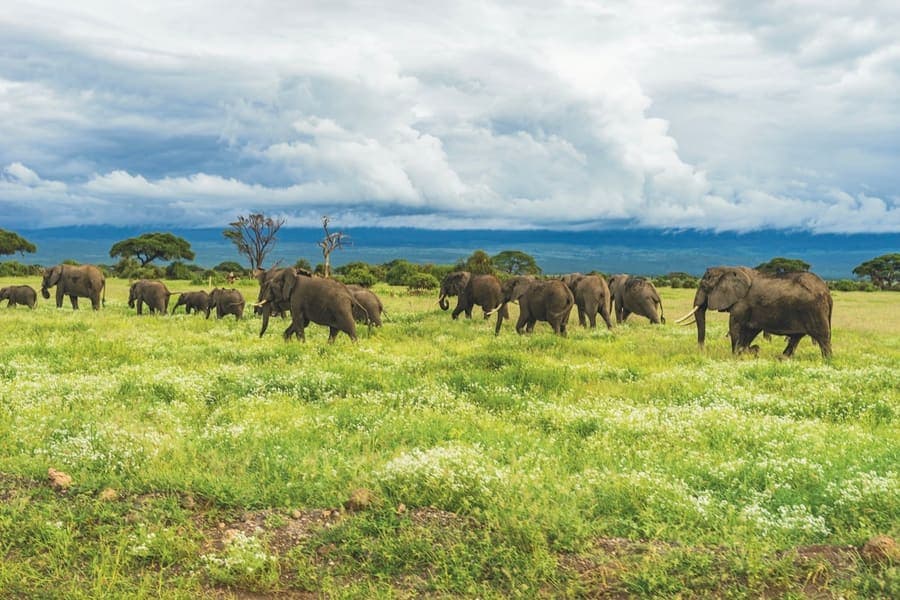
Amboseli's reputation rests on one image: elephant herds crossing dusty plains with Mount Kilimanjaro's snow-capped summit rising behind them. It's not a lucky shot — it's what the park delivers most mornings when the mountain is clear, and it comes paired with some of the best-studied elephant populations on Earth.
Quick Facts
- Location: Kajiado County, southern Kenya, on the Tanzania border beneath Mount Kilimanjaro.
- Size: 392 km², compact compared to parks like Tsavo or the Serengeti.
- Access: About a 4-hour drive from Nairobi, or roughly 45 minutes by air from Wilson Airport.
- Best time for Kilimanjaro views: June-October and January-February, the driest, clearest months.
- Big Five status: Lion, leopard, elephant, and buffalo are present; rhino are not commonly resident.
Why Amboseli Is Built Around Elephants
Amboseli is home to one of the longest-running wildlife studies in history. The Amboseli Elephant Research Project, founded by researcher Cynthia Moss in 1972, has documented the complete life histories of over 1,800 individual elephants across more than 60 family groups. Every elephant in the park has a name, a recorded family tree, and decades of observed behavior — which is why guides here can often identify exactly which family group you're watching and how it relates to others nearby.
The Swamps That Make the Park Work
Amboseli's permanent swamps — Enkongo Narok and Longinye among them — are fed by underground water draining from Kilimanjaro's glaciers and snowmelt, and they're the ecological reason the park supports so much wildlife despite its dry, dusty surface. These swamps stay wet even in the driest months, drawing elephants, hippos, buffalo, and large numbers of waterbirds like pelicans and yellow-billed storks to concentrated, reliable feeding grounds.
Wildlife Beyond the Elephants
Amboseli supports four of Africa's Big Five: elephant, lion, leopard, and buffalo. Black rhino no longer inhabit the park in meaningful numbers, making it the one gap in an otherwise strong wildlife list. Lions are frequently found resting in shade or near the swamp edges, where prey concentrates, while leopards are present but notably elusive compared to the park's other predators.
Best Time to Visit for Kilimanjaro Views
Kilimanjaro is not visible every day — cloud cover often builds by mid-morning, even in the dry season. The clearest views typically come at dawn during the driest stretches of the year, roughly June through October and again in January and February. Early-morning game drives aren't just better for wildlife activity here; they're also the best chance of an unobstructed mountain view before clouds roll in.
Observation Hill and Getting Oriented
Observation Hill is the park's one raised viewpoint, giving a panoramic overview of Amboseli's swamps and plains below. A short stop here, ideally at dawn, is a useful way to orient yourself and spot where wildlife is concentrated before heading out for the rest of the day's game drive.
How Long to Stay, and What to Pair It With
A minimum two-night stay — giving one full day of game driving — is significantly more rewarding than a single day visit, since it allows at least one Kilimanjaro-watching morning and one full afternoon drive. Amboseli's closeness to Nairobi makes it easy to combine with other parks: Tsavo lies directly north for a natural 4-5 day extension, while the Masai Mara pairs well for travelers who want big cats and, between July and October, the migration crossings on top of Amboseli's elephants and mountain views.
Frequently Asked Questions
Can I see Mount Kilimanjaro every day at Amboseli?
No guarantee — cloud cover is common, especially later in the day. Early mornings during the dry season, roughly June through October and January through February, give the best odds of a clear view.
Does Amboseli have the Big Five?
Four of the five — elephant, lion, leopard, and buffalo are present, but black rhino are not commonly resident, making Amboseli one Big Five species short.
How far is Amboseli from Nairobi?
About a 4-hour drive, or roughly 45 minutes by small aircraft from Wilson Airport, making it one of the more accessible parks for a shorter Kenya safari.
How many days should I spend in Amboseli?
A minimum of two nights is recommended, giving at least one full day of game driving plus one Kilimanjaro-watching morning, rather than a rushed single-day visit.