
Masai Mara vs Serengeti: What's the Difference
GetTripGo Travel Desk · 6 min read
They're the same ecosystem split by a border, but Masai Mara and the Serengeti aren't interchangeable trips. Which one makes sense for you depends heavily on when you're traveling, what you want to see, and how much time and budget you're working with.
Quick Facts
- Location: Masai Mara is in southwestern Kenya; the Serengeti is its much larger neighbor across the border in northern Tanzania.
- Size: The Serengeti covers roughly 14,750 km², more than ten times the Masai Mara's approximately 1,510 km².
- Migration timing: Wildebeest are typically in the Mara from around July to October, and in the Serengeti for the rest of the year.
- Access: The Mara is a short flight or drive from Nairobi; the Serengeti usually requires a longer transfer from Arusha.
One Ecosystem, Two Countries
The Masai Mara and the Serengeti are part of the same continuous savanna ecosystem, divided only by the Kenya-Tanzania border. Wildlife moves freely across that line, which is exactly why the Great Migration works the way it does — the same herds spend part of the year grazing the Serengeti's plains and part of the year pushing north into the Mara in search of fresh grass.
Size and Landscape
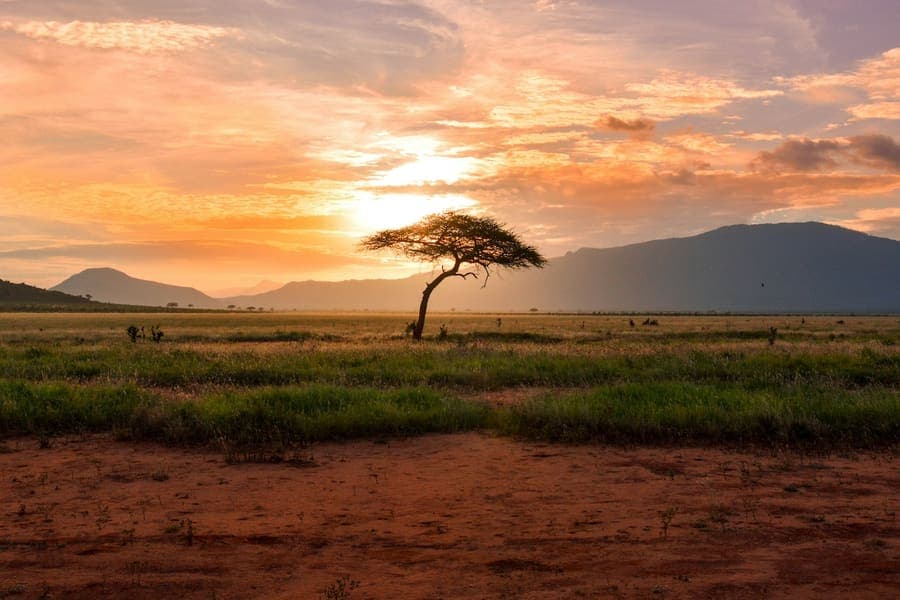
The difference in scale is the first thing most visitors notice. The Serengeti is vast and open, with long, uninterrupted views across grassland that can feel endless. The Masai Mara is far smaller and more concentrated, which in practice means wildlife density can feel higher — animals are compressed into less space, so sightings often come faster and closer together.
Following the Migration: Timing Is Everything
The single biggest factor in choosing between the two is timing. Roughly from July through October, the migration is usually in and around the Mara, including the famous river crossings. For the remaining months, the herds are generally spread across the Serengeti, including the calving season around February when hundreds of thousands of wildebeest calves are born within a few weeks of each other on the southern plains.
Booking the wrong park for the wrong month is the most common migration-trip mistake — a Mara safari in March, for example, will likely miss the herds entirely.
Crowds, Cost, and Accessibility
The Mara's smaller size and closeness to Nairobi make it easier and often cheaper to reach, but that same convenience means it can draw more vehicles at popular sightings, especially during peak migration months. The Serengeti's scale makes it easier to find space and solitude, though longer transfer times and generally higher park fees can push up the overall cost of a trip.
Which One Should You Choose?
If your trip is built around river crossings and you want the shortest possible flights from Nairobi, the Mara is the more practical choice. If you have more time, want to combine a safari with the calving season or with landscapes like the Ngorongoro Crater, or simply want to see more untouched, open wilderness, the Serengeti is worth the longer journey. Many experienced safari travelers eventually visit both, since they showcase different chapters of the same migration story.
Frequently Asked Questions
Is Masai Mara part of the Serengeti?
Not officially — they're separate protected areas in different countries — but they form one continuous ecosystem, and wildlife, including the migrating herds, moves freely between them.
Which is better for first-time safari-goers, Mara or Serengeti?
Neither is objectively better — the Mara suits shorter trips built around river crossings, while the Serengeti suits travelers with more time who want a larger, quieter landscape.
Can I visit both the Masai Mara and the Serengeti on one trip?
Yes, and many multi-week itineraries do exactly that, though it requires crossing an international border and adds meaningful transfer time.
When is the migration in the Masai Mara versus the Serengeti?
Roughly July through October in the Mara, and the rest of the year spread across the Serengeti, though exact timing shifts annually with rainfall patterns.